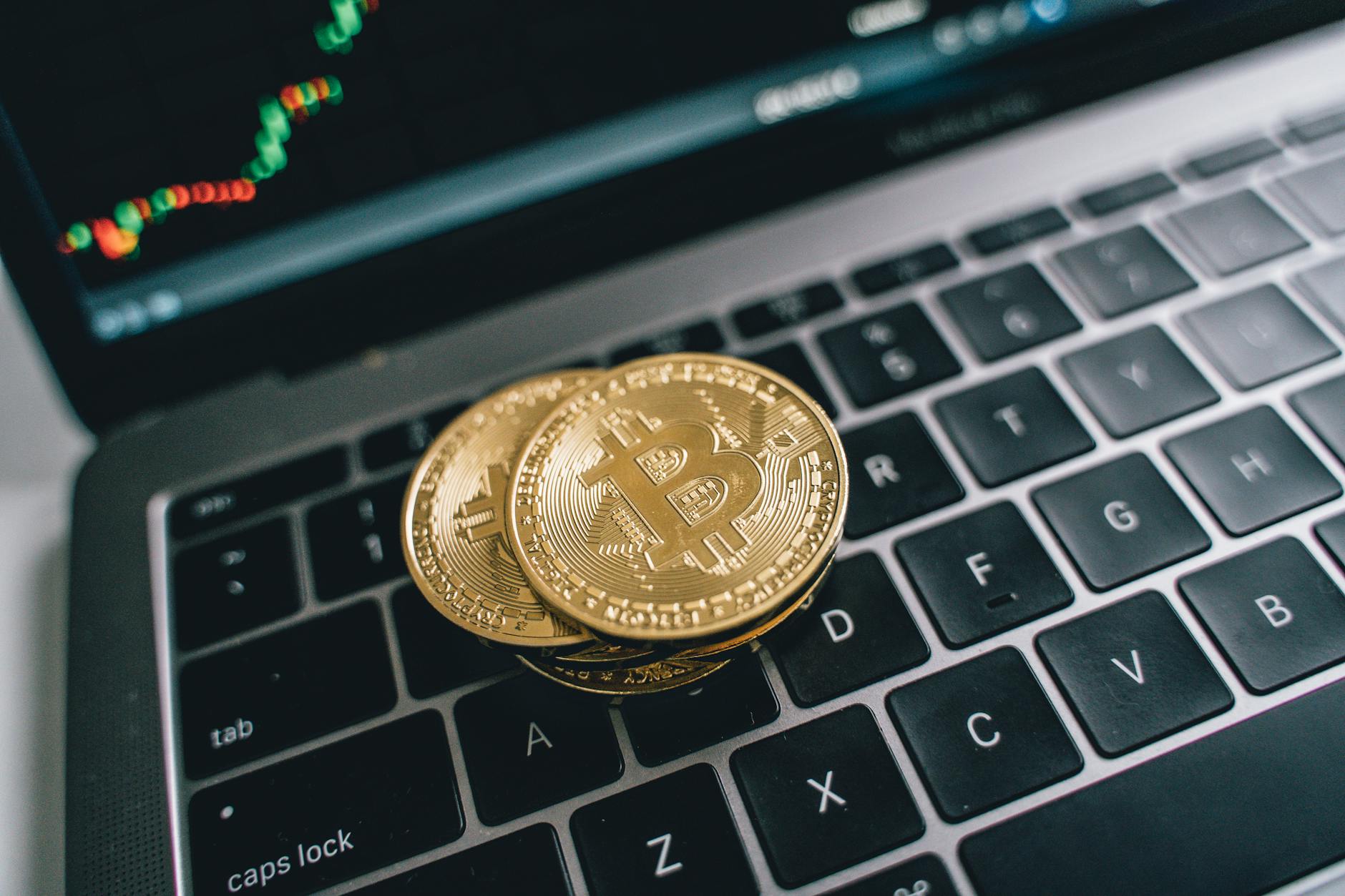
The 2024 halving reduced Bitcoin’s block subsidy from 6.25 BTC to 3.125 BTC on April 19, 2024. That puts the network now roughly 26 months past the event - deep inside the window that, across the three prior halving cycles, has produced the most dramatic price moves in either direction.
This isn’t a prediction. It’s a pattern worth taking seriously.
What the Prior Cycles Actually Show
After the 2012 halving, Bitcoin’s most explosive gains came in months 17–24. After 2016, the peak arrived at month 17. After the 2020 halving, the cycle high - around $69,000 - landed at month 18. In each case, the third year following a halving also saw sharp corrections of 50% or more from those peaks.
The mechanism driving this is supply-side pressure. Miners receive fewer coins per block, which reduces the volume of BTC they can sell to cover operational costs. When price rises absorb that reduced sell pressure, liquidity tightens, and moves in either direction become more pronounced. It’s not magic - it’s the interaction between constrained new supply and whatever demand happens to be present.
Right now, demand isn’t in question the way it was in prior cycles. U.S. spot Bitcoin ETFs, approved in January 2024, have become consistent accumulators. BlackRock’s iShares Bitcoin Trust (IBIT) has crossed $50 billion in assets under management. That’s institutional buying that simply didn’t exist during the 2020 cycle’s peak.

The Miner Situation
Current block rewards of 3.125 BTC mean miners are operating on significantly tighter margins than before the halving. Public miners like Marathon Digital and Riot Platforms have responded by expanding hash rate and reducing coin sales where possible, holding BTC on balance sheet instead. Marathon held over 44,000 BTC as of early 2026. That behavior keeps supply off exchanges - but it also means those companies carry significant price risk if Bitcoin corrects sharply.
Hash rate has continued climbing regardless, reaching all-time highs above 800 exahashes per second in early 2026. Difficulty adjustments have followed. The network is more secure than it has ever been, even if individual miners are more financially exposed.
The Open Question
What makes this cycle harder to read than previous ones is the degree to which ETF inflows can absorb - or amplify - volatility. In 2021, retail drove momentum. In 2026, large allocators are involved in a way that changes the feedback loops considerably. Whether that stabilizes the cycle or simply delays and concentrates the eventual move is genuinely unclear.