
Bitcoin’s realized capitalization crossed a new all-time high this week, according to on-chain data aggregators tracking UTXO cost basis across the network. In prior cycles, this milestone has reliably signaled that fresh capital is entering the market at scale - not recycled speculation, but genuine new money taking on spot exposure at current prices. The price response has been, to put it plainly, underwhelming.
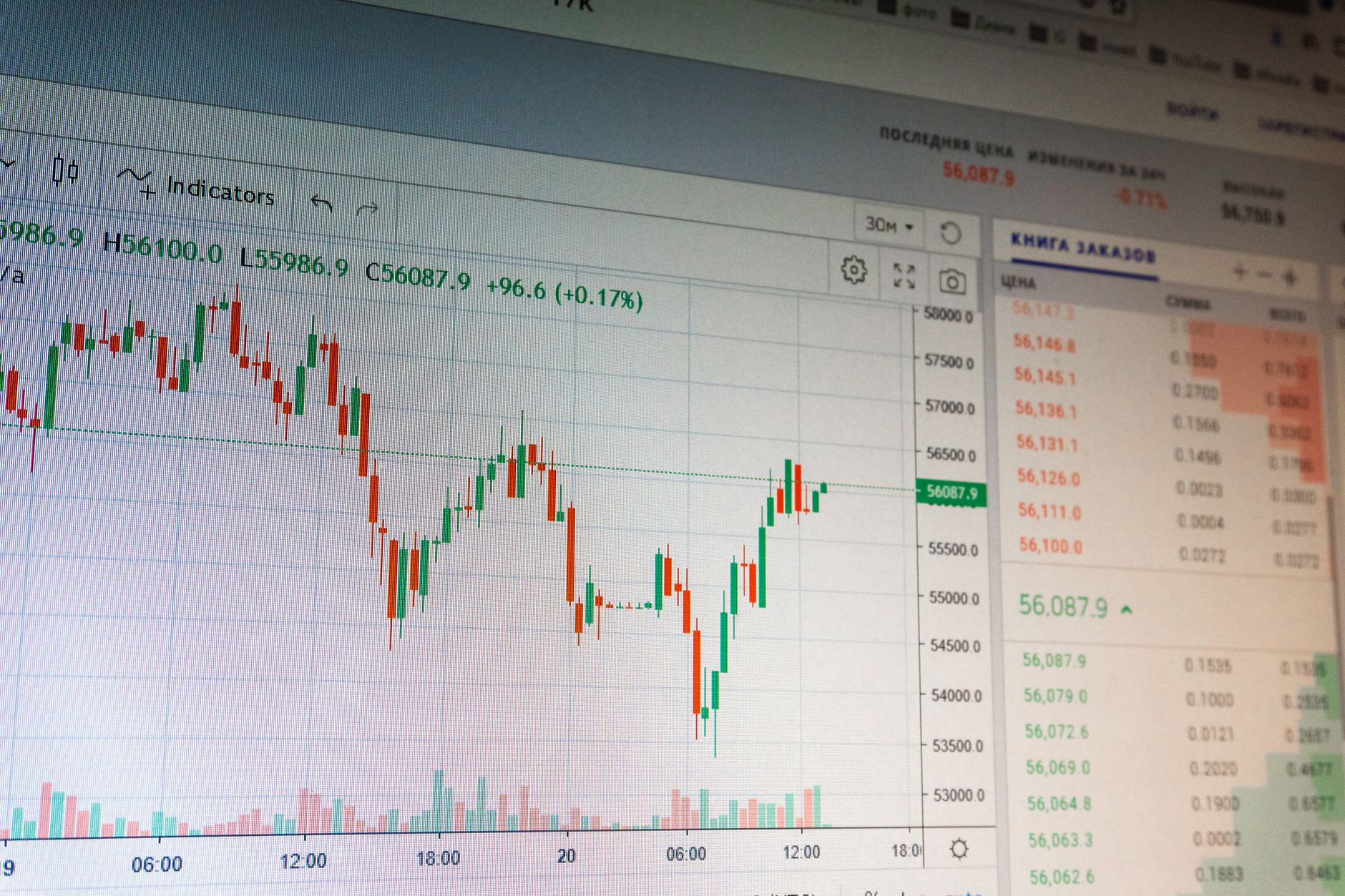
Spot BTC is trading in a range that has held for roughly six weeks. There’s no clean breakout structure forming on the daily chart, and perpetual futures funding rates have stayed close to neutral - neither aggressively long nor short. The market is not panicking, but it is not confirming the on-chain signal either.
What Realized Cap Actually Measures
Realized capitalization values each bitcoin at the price it last moved on-chain, rather than the current market price. When it rises sharply, it means coins are being transferred and repriced at higher levels - wallets are paying more per coin than those that previously held them. A rising realized cap with a flat or declining market price implies that buyers are absorbing supply without generating upward momentum, which can mean one of two things: sustained accumulation, or distribution that is finding enough demand to prevent a sharp drawdown but not enough to push prices higher.
The distinction matters, and right now the data doesn’t cleanly resolve it either way.
The Macro Overlay
Part of the muted reaction may trace back to the broader macro backdrop. U.S. Treasury yields have been elevated and relatively sticky through August, keeping risk appetite compressed across asset classes. Equity markets have been choppy rather than directionally bullish, and that correlation - however imperfect - still drags on crypto sentiment during uncertain periods. Bitcoin tends to find its most decisive upward moves when equities are already grinding higher and providing cover for risk-on rotation.
That condition isn’t fully in place.
Short Position
Long-term holder supply, a separate on-chain metric, remains near historical highs as well. Coins that haven’t moved in over a year continue to accumulate as a share of total supply. That’s typically a bullish structural signal - but it also means liquid supply is thin, and thin markets can move violently in either direction on modest volume shifts.
The setup looks constructive on paper. Whether the catalyst that actually moves price arrives from spot ETF inflows, a macro pivot, or something else entirely is where certainty ends.