
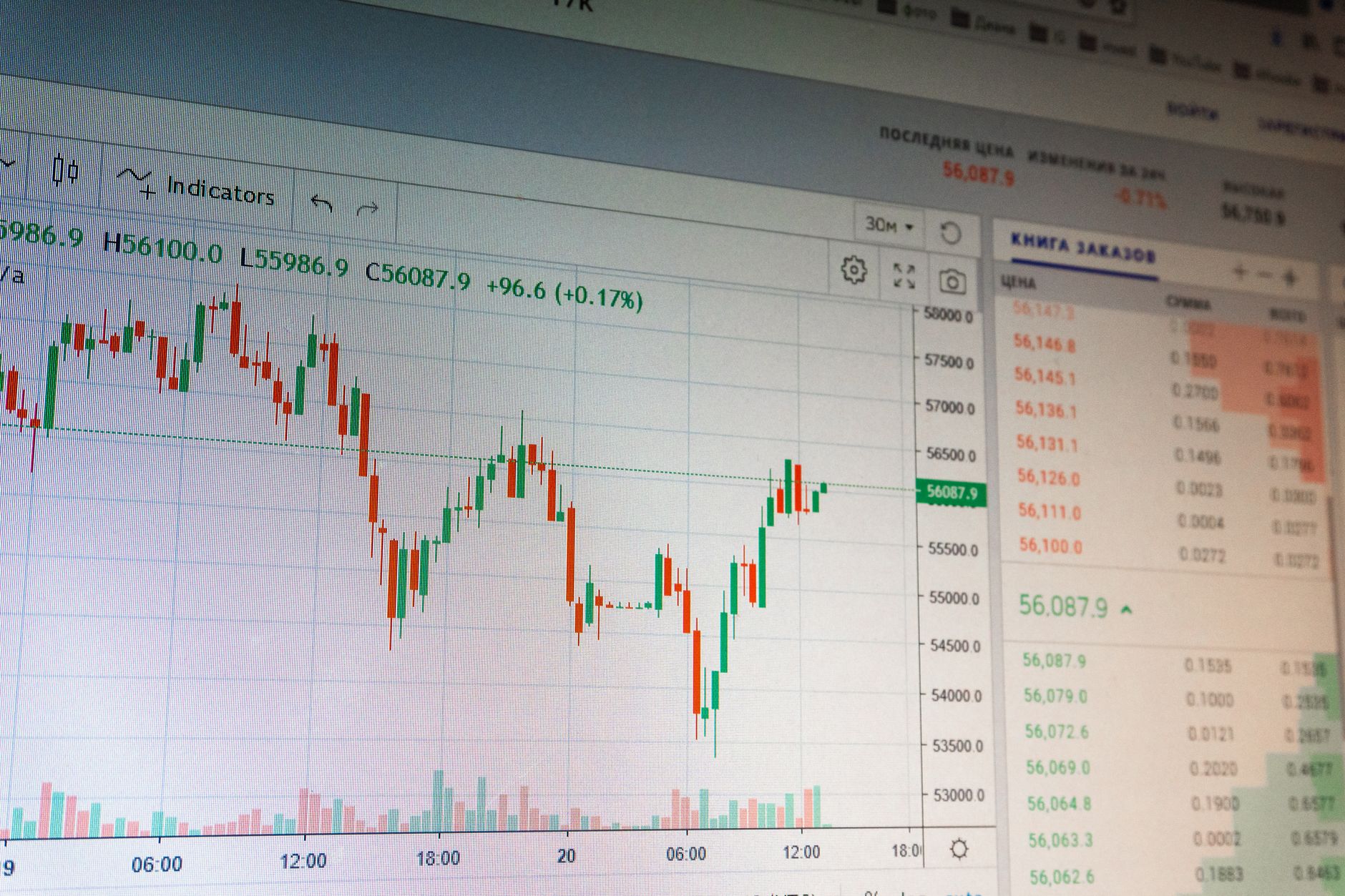
Bitcoin’s realized cap - the aggregate cost basis of every coin on-chain, weighted by the price at which each coin last moved - crossed a new all-time high last week. Spot price is sitting around $82,000 at time of writing, roughly 18% below the January 2026 peak above $99,000. That divergence is not typical of a bull market in full flow.
Realized cap climbing while spot consolidates or dips means one thing structurally: coins are changing hands at relatively high prices. Buyers are accumulating, but they’re doing so into a market that isn’t pushing higher on the demand. The aggregate cost basis of the network is rising because new entrants are paying elevated prices, not because price discovery is happening above them.
What the On-Chain Picture Actually Shows
Short-term holder (STH) realized price - the average acquisition cost for coins held less than 155 days - sits near $78,000 based on Glassnode data from mid-September. With spot at $82,000, the STH cohort is barely in profit. That’s a fragile position. Historically, when spot dips below STH realized price for any sustained period, panic selling pressure increases meaningfully, because a large portion of the circulating supply moves into unrealized loss.
Long-term holders, by contrast, are still deeply in profit and showing no significant distribution signal. Their spending behavior remains subdued relative to prior cycle tops. That’s what’s keeping the realized cap from collapsing - the older coins aren’t moving, so their high-cost-basis replacements are accumulating the supply.
The Macro Overlay
Fed policy is doing nothing helpful here. After two cuts in late 2025, the FOMC has held rates steady through Q3 2026, citing stubborn services inflation. Risk assets broadly have struggled to make new highs in that environment. Bitcoin is not immune to that, despite the narrative around institutional adoption providing a structural floor.
The ETF bid has been real - U.S. spot Bitcoin ETFs crossed $120 billion in combined AUM earlier this year - but inflows have slowed materially since June. That slowdown coincides almost exactly with the stall in price.
The honest read: the network is in better shape than price suggests, but price needs either a macro catalyst or a fresh wave of ETF inflows to close the gap. Neither looks imminent.