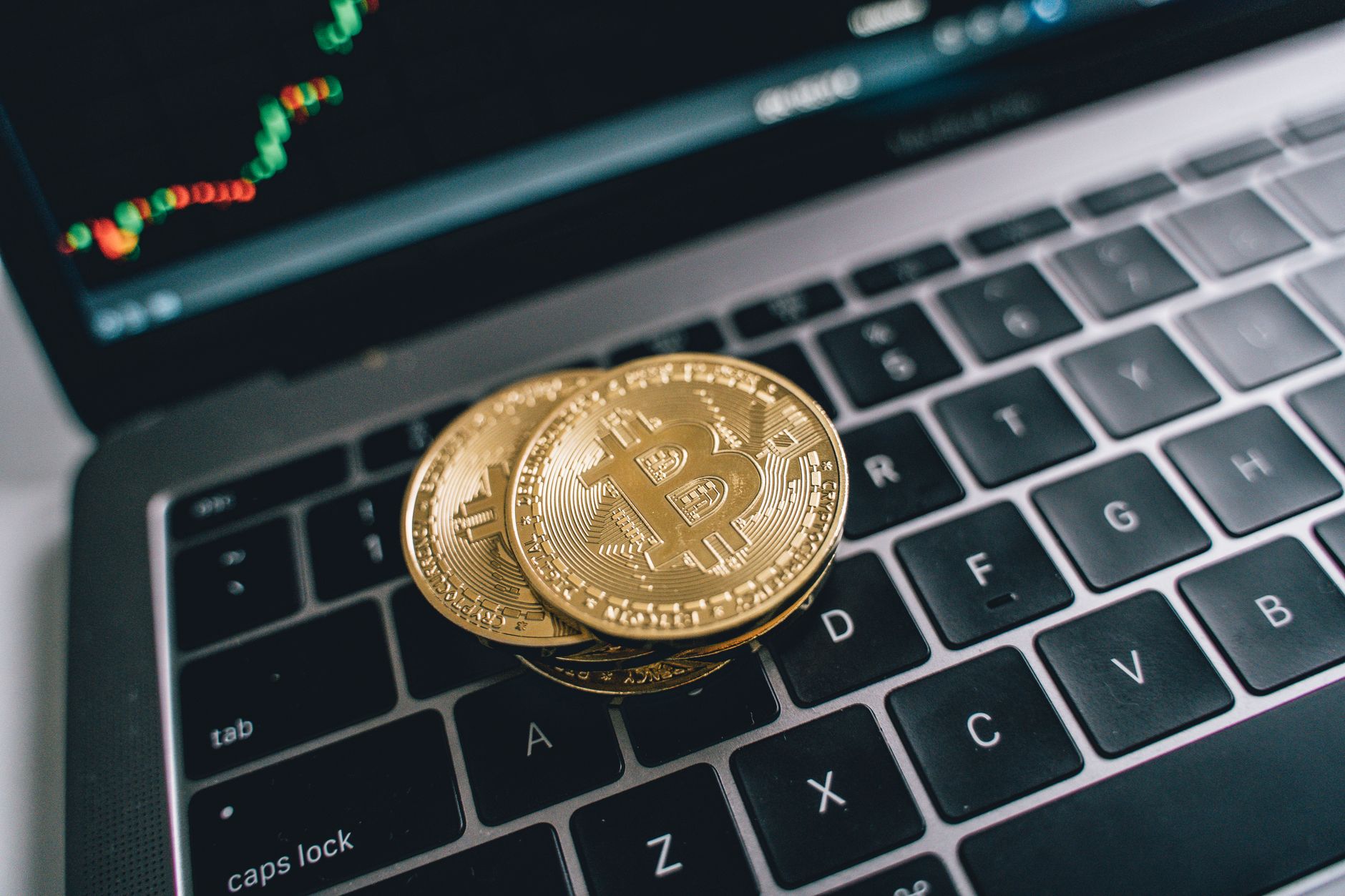
Bitcoin’s hashrate crossed 1 zettahash per second in mid-2026, a number so large it requires a unit most people hadn’t heard of two years ago. The milestone generated predictable headlines about network security and miner confidence. Both things are true. Neither tells the full story.
The subsidy after the April 2024 halving dropped to 3.125 BTC per block. Miners currently earn that plus transaction fees, and on most days, fees represent a small fraction of total block reward. When the next halving arrives - projected around early 2028 - the subsidy drops to 1.5625 BTC. At that point, the fee market either compensates or miners start making harder decisions about operational efficiency.
Hashrate growing into a halving cycle is normal. Miners upgrade to more efficient ASICs, older hardware gets retired, and the network adjusts difficulty upward. What’s less discussed is that this efficiency race has a ceiling: you can only extract so much from each watt of electricity. The latest generation of miners from Bitmain and MicroBT is approaching physical limits in terms of joules per terahash. The margin for improvement through hardware alone is narrowing.
Fee Revenue Still Hasn’t Stepped Up
Block fees have seen periodic spikes - Ordinals in 2023, Runes around the 2024 halving - but they haven’t established a reliable baseline. Average fees per block have remained well below 1 BTC on most days throughout 2025 and into 2026. That means miners are structurally dependent on a subsidy schedule that will keep halving every four years regardless of what the fee market does.
This isn’t a prediction that mining collapses. It’s an observation that the long-term security model requires fees to grow in real terms, and so far there’s no evidence that’s happening at the rate the subsidy is shrinking.
The Geographic Shift Is Real
U.S.-based mining operations now account for a substantial share of global hashrate, concentrated in Texas, Kentucky, and Wyoming. That geographic concentration has its own risks - regulatory, grid-related, weather-related - but it also reflects how seriously institutional capital is treating Bitcoin infrastructure as an asset class.
The 1 zettahash number says miners believe in the network. The fee chart says the network still hasn’t given miners a reason to believe in the fee market.