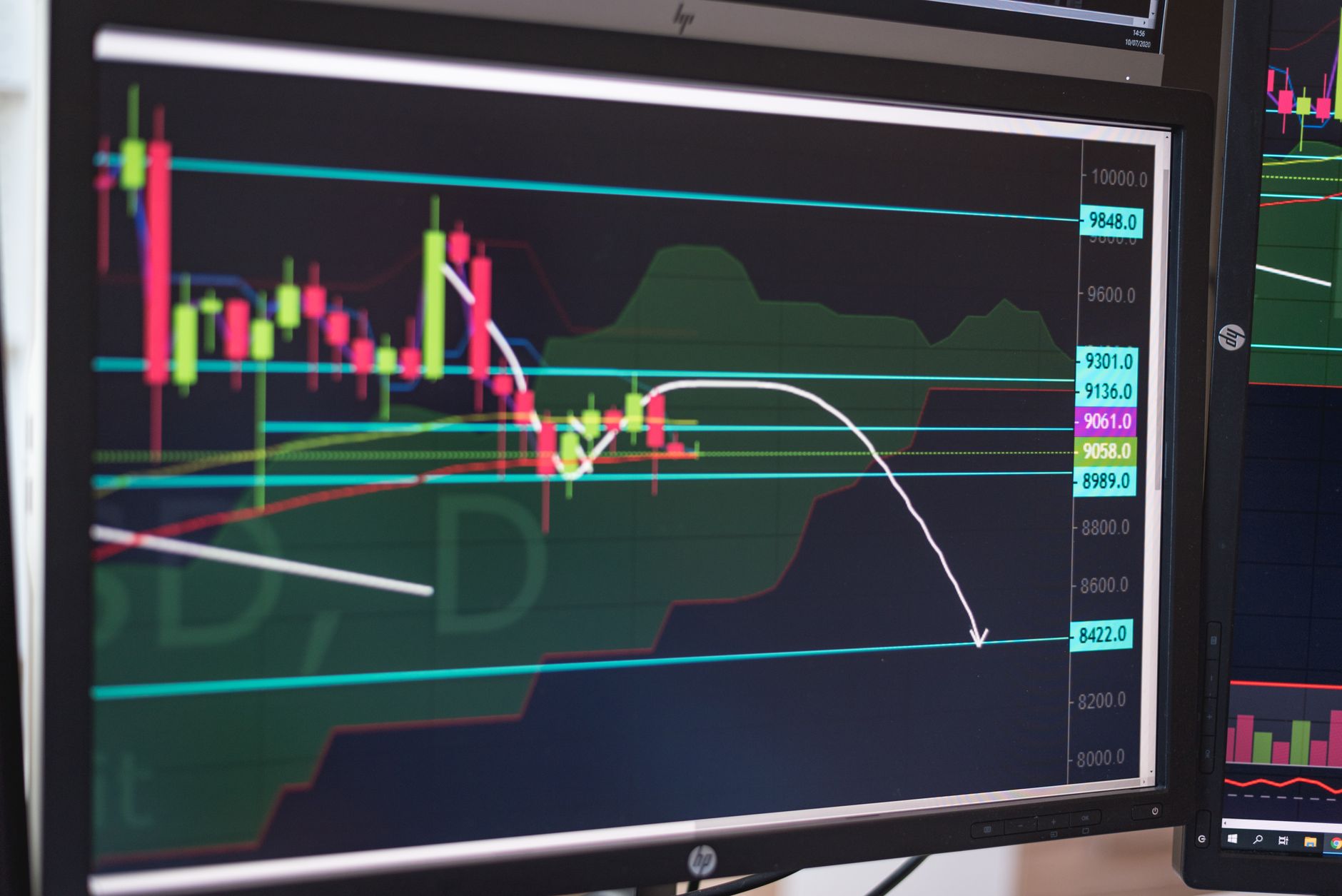
Bitcoin’s 90-day realized volatility has compressed to levels not seen since late 2023, hovering around 35–38% annualized. The instinct is to read this as a coiled spring - quiet before a breakout. That framing sells well, but it skips a step.
Volatility compression is structurally neutral. It tells you a large move is coming; it says nothing about which way. And the current on-chain setup doesn’t cleanly favor either direction.
What the Chain Actually Shows
Short-term holder (STH) cost basis sits close to current spot prices, which puts a large cohort of relatively recent buyers near breakeven. When spot price dips even modestly below that level, STHs tend to sell - not because of panic, but because the marginal buyer who entered in the past 90–155 days has little cushion and a low tolerance for extended drawdown. Glassnode data has consistently shown this dynamic triggering distribution pressure during mid-cycle consolidations.
Long-term holders (LTHs), by contrast, have continued accumulating. LTH supply has grown for the past several months, which historically signals conviction at the macro level. But LTH accumulation is a slow-moving variable - it doesn’t drive short-term price action, it sets a floor.
The tension between STH fragility and LTH conviction is exactly where Bitcoin sits now.
The Macro Overlay
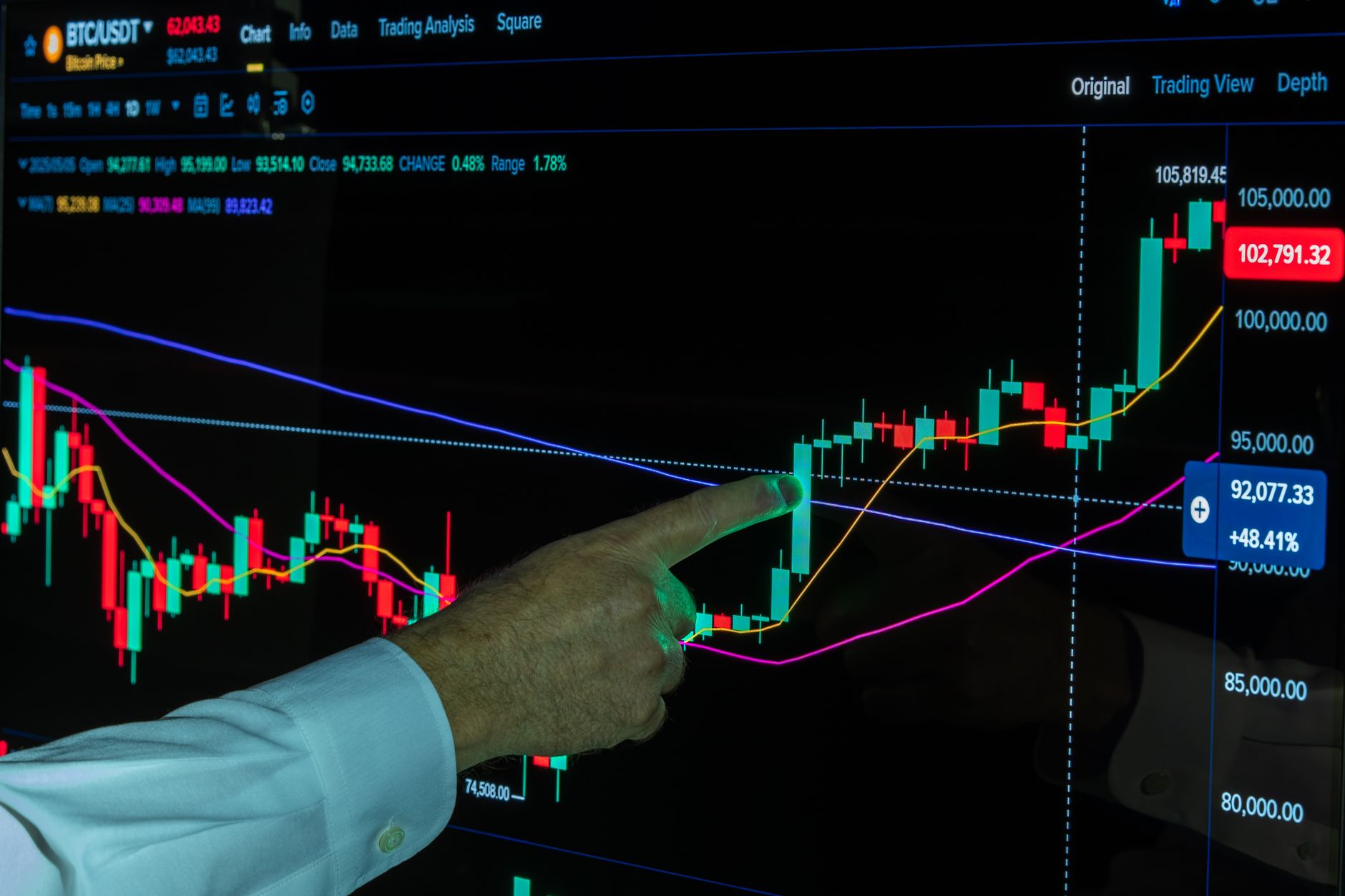
The broader macro environment isn’t obviously supportive of risk assets into year-end. U.S. dollar strength has stabilized after a rough first half of 2026, and real yields remain elevated enough that the opportunity cost of holding non-yielding assets - Bitcoin included - stays meaningful. Bitcoin has decoupled from equities for stretches this cycle, but that correlation isn’t stable enough to dismiss.
Spot ETF inflows, which drove much of the 2024–2025 price discovery, have moderated significantly. Without a fresh catalyst to attract institutional allocation, the demand side looks thinner than it did twelve months ago.
The Honest Read
None of this is a case for imminent collapse. Realized losses remain low, miner capitulation hasn’t materialized, and the LTH accumulation trend is real. But treating compressed volatility as automatically pre-bullish ignores how many consolidation ranges have resolved to the downside in Bitcoin’s history.
The next significant move will likely be large. Position sizing accordingly, rather than positioning directionally based on the squeeze alone.