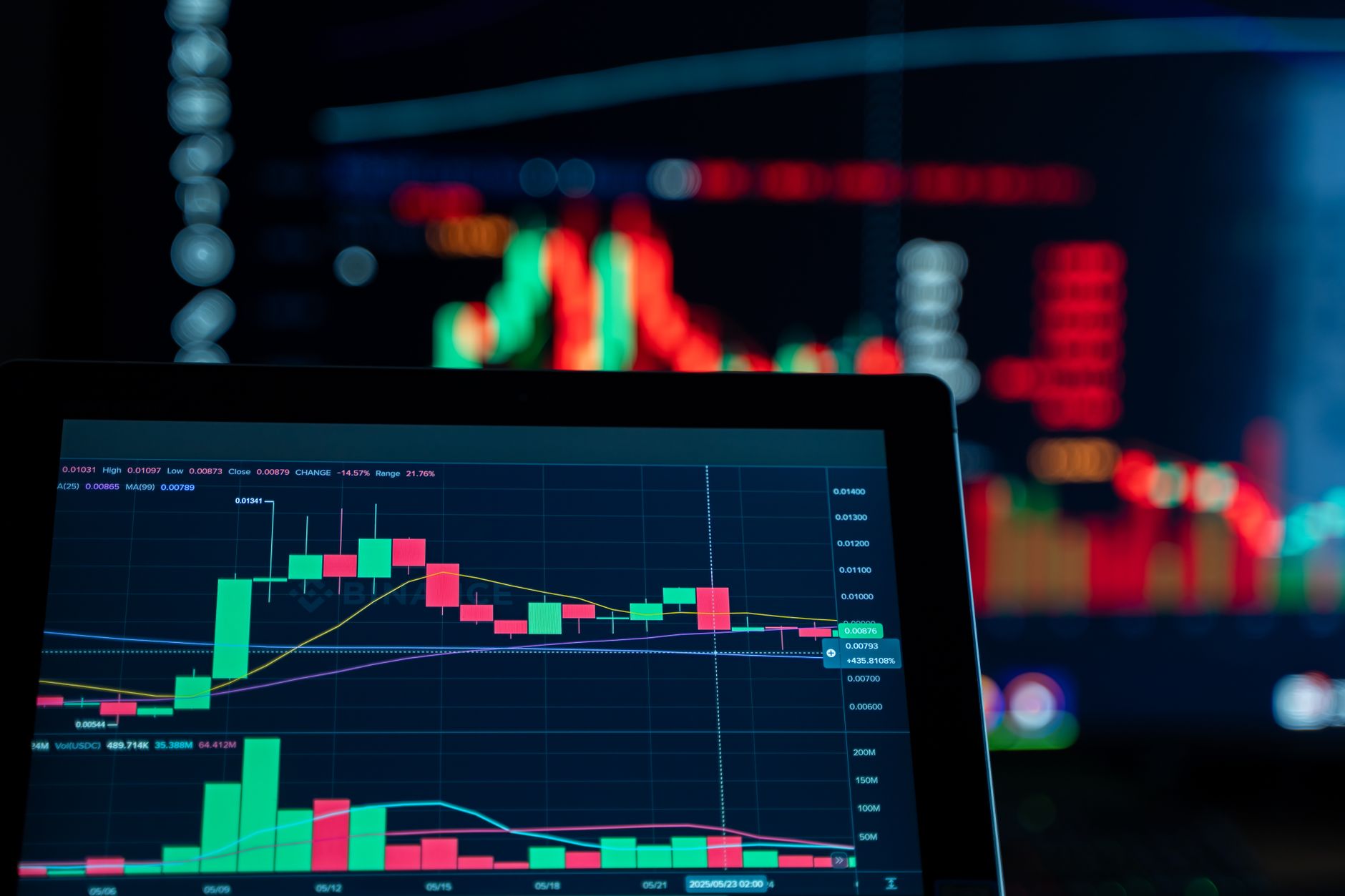
Bitcoin’s 90-day realized volatility has compressed to levels not consistently seen since late 2023, sitting below 40% annualized for much of September. Markets tend to interpret this as stability, even maturity. That reading is probably wrong.
Volatility compression in BTC has a consistent track record of preceding sharp directional moves - the direction just isn’t implied by the compression itself. The 2023 episode that saw similar readings eventually resolved into the late-year rally toward $40K, but 2022 saw comparable suppression before the FTX collapse accelerated a move lower. The current setup tells you something about energy coiling, not about which way it releases.
What the On-Chain Data Actually Shows
Short-term holder (STH) cost basis, tracked publicly via Glassnode and similar analytics providers, currently sits close to spot price - meaning recent buyers are roughly at breakeven. That cohort tends to be the most reactive: they sell into modest drawdowns and add leverage into strength. Their proximity to cost basis keeps realized pressure muted but also caps conviction on the upside.
Long-term holders (LTH), by contrast, are sitting on substantial unrealized gains and have not meaningfully distributed into recent price levels in the $58,000–$64,000 range that BTC has traded through most of Q3 2026. That’s a structural hold, not a bullish signal on its own - LTHs held through extended flat periods in 2019 and again in 2021’s post-peak consolidation.
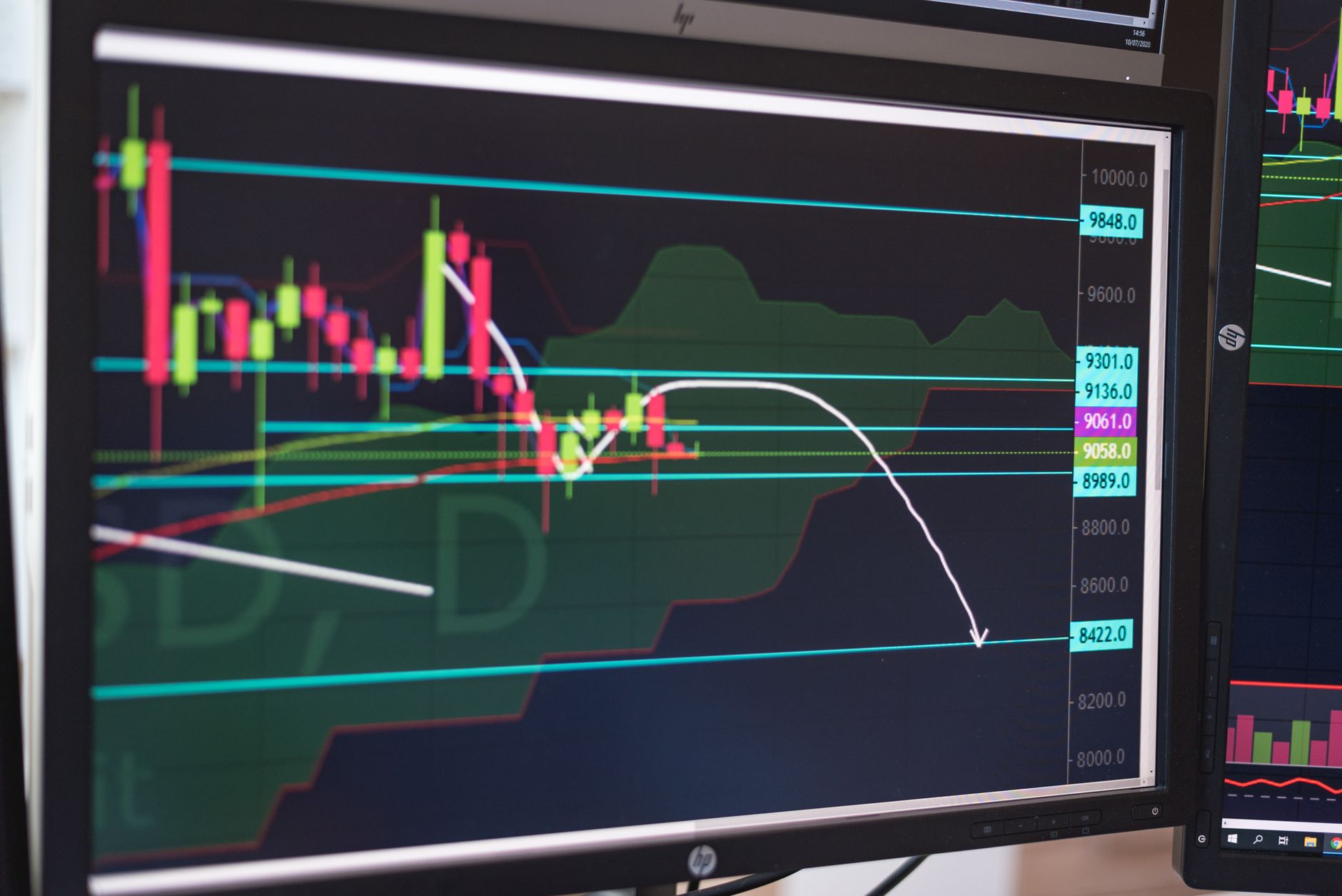
Exchange netflows have been mildly negative across the quarter, suggesting modest accumulation off-exchange, but not at the velocity seen ahead of previous major leg-ups.
The Macro Overlay
The Federal Reserve’s pause-and-reassess posture through mid-2026 has kept dollar liquidity conditions ambiguous. Risk assets broadly stalled once the initial rate-cut enthusiasm from late 2025 was priced in. Bitcoin has not decoupled from that dynamic - its correlation with the Nasdaq 100 on a rolling 30-day basis remains elevated above 0.6, which is historically where that relationship starts to matter for shorter-term price action.
Gold hitting successive all-time highs through Q3 hasn’t translated into Bitcoin inflows the way the “digital gold” thesis would predict. That gap is worth watching, not explaining away.
The market is quiet. That’s information - just not the information most people want it to be.