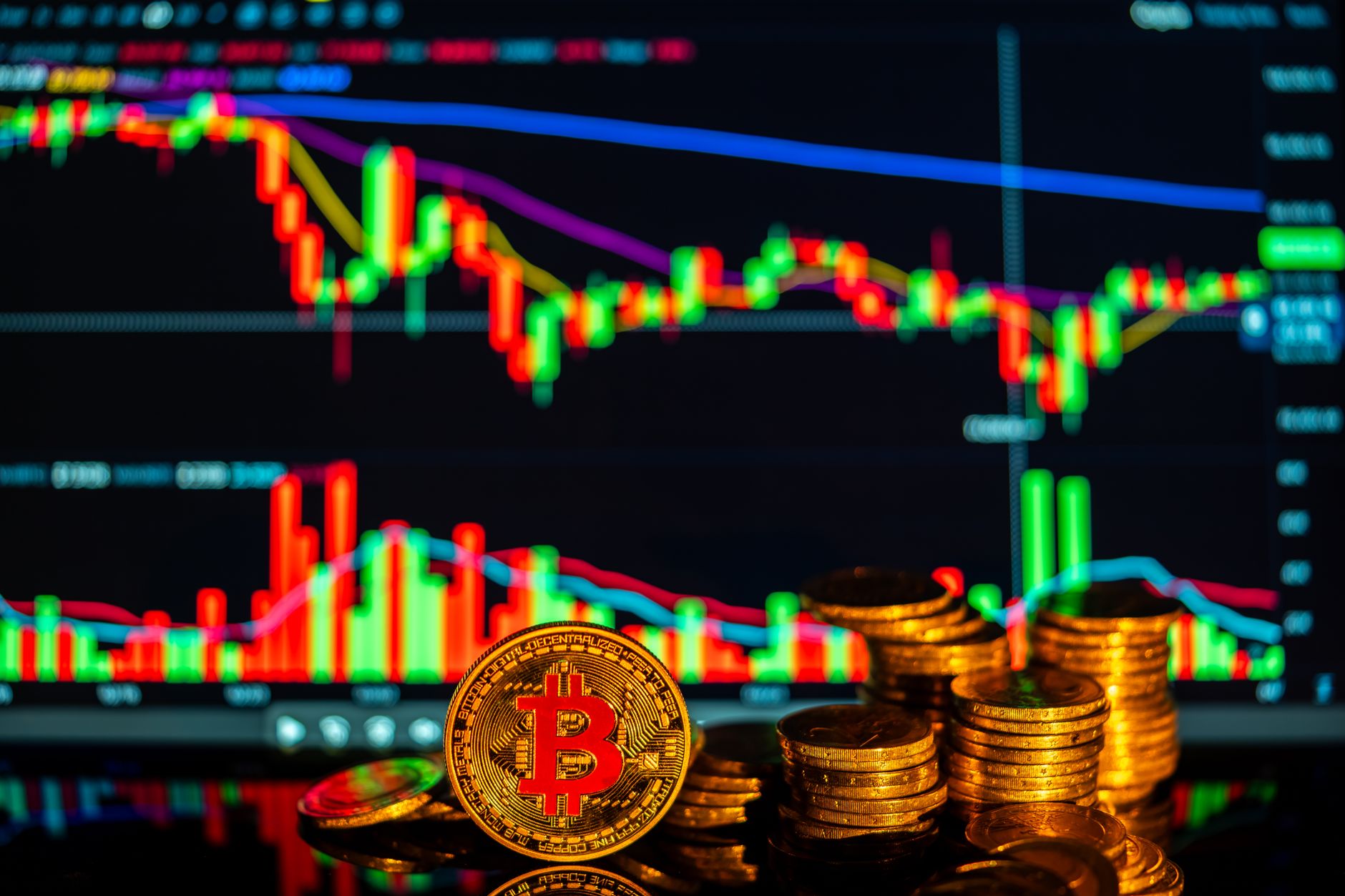
Bitcoin’s 90-day realized volatility has compressed to levels not consistently seen since late 2022, when the market was quietly bleeding out after the FTX collapse. The comparison isn’t perfect, but the structural similarity is worth sitting with: low volatility doesn’t mean stability. It means the market is coiling.
Spot volume across major venues has been declining for most of Q3 2026. That’s not a sign of healthy accumulation - it’s indifference. When volume contracts and price moves narrow, you typically get one of two things: a larger cohort of holders who genuinely aren’t selling, or a market that’s simply waiting for an external catalyst to reprice everything at once. On-chain data currently leans toward the former. Long-term holder supply - wallets that haven’t moved coins in over 155 days - is sitting near cycle highs, which historically precedes supply squeezes. But that dynamic alone doesn’t trigger a move. It just limits the downside damage when something else does.
The Funding Rate Problem
Perpetual futures funding rates have oscillated close to flat for six consecutive weeks. Neutral funding in a sideways market sounds benign. The issue is that it reflects a lack of directional conviction rather than balanced sentiment - traders aren’t hedging into a view, they’re waiting. When funding snaps from flat to strongly positive or negative, the underlying spot move tends to be already underway and accelerating. Chasing that entry has a poor track record.
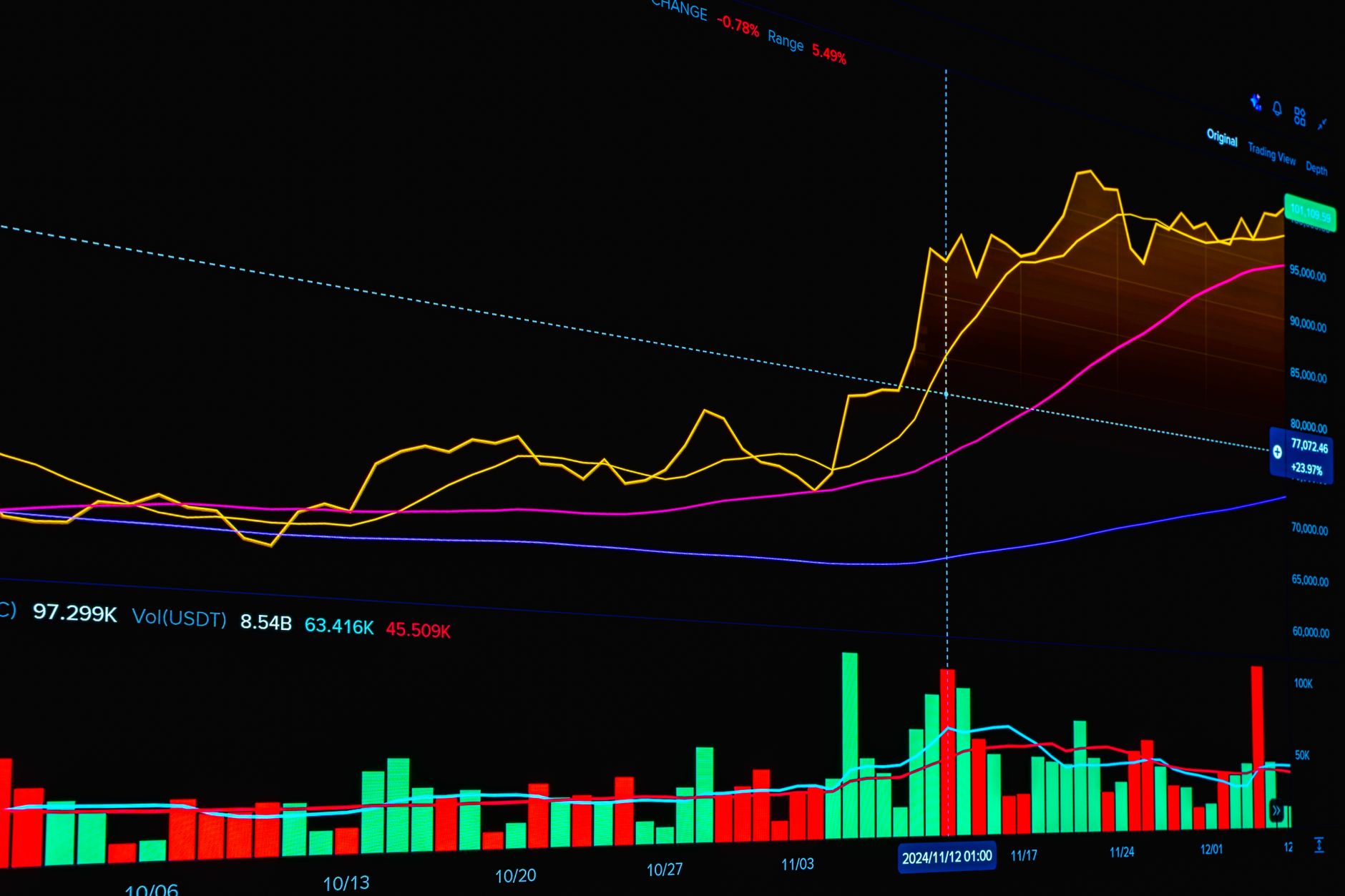
Macro Isn’t Helping Either
The Federal Reserve’s September meeting is scheduled for later this month. Rates have been on hold since March, and the debate around a cut has been running in circles since June. Dollar strength has been modest but persistent, which typically creates a mild headwind for dollar-denominated risk assets including Bitcoin. This isn’t a dominant force, but it’s a drag that the market hasn’t fully priced out.
What makes this moment harder to read than most low-volatility periods is that the on-chain fundamentals and the macro backdrop are pulling in opposite directions. Long-term holders are behaving like people who expect higher prices. The macro environment is behaving like people who aren’t sure.
Those two things can coexist for longer than most traders expect - and then resolve in a single week.