
Bitcoin has been range-bound between roughly $98,000 and $105,000 for the better part of six weeks. That compression, on its own, is unremarkable. What makes it worth watching is who is selling.
On-chain data tracked by Glassnode shows long-term holder (LTH) supply - coins unmoved for at least 155 days - declining from its March 2026 peak. The cohort, which accumulated aggressively during the 2024–2025 accumulation phase below $70,000, is now moving coins onto exchanges at a rate not seen since late 2024, just before Bitcoin’s previous corrective leg. This is distribution, not panic. These wallets are profitable, patient, and they’re choosing now to lighten up.
The Structure Underneath
Spot demand hasn’t disappeared, but it’s not absorbing LTH supply cleanly. U.S.-listed Bitcoin ETFs recorded net outflows across seven of the last fourteen trading sessions as of mid-August, suggesting institutional buyers aren’t stepping in at the same rate they did during the Q1 2026 rally. When ETF flows were strongly positive in February and March, they effectively soaked up sell pressure from early holders. That cushion is thinner now.
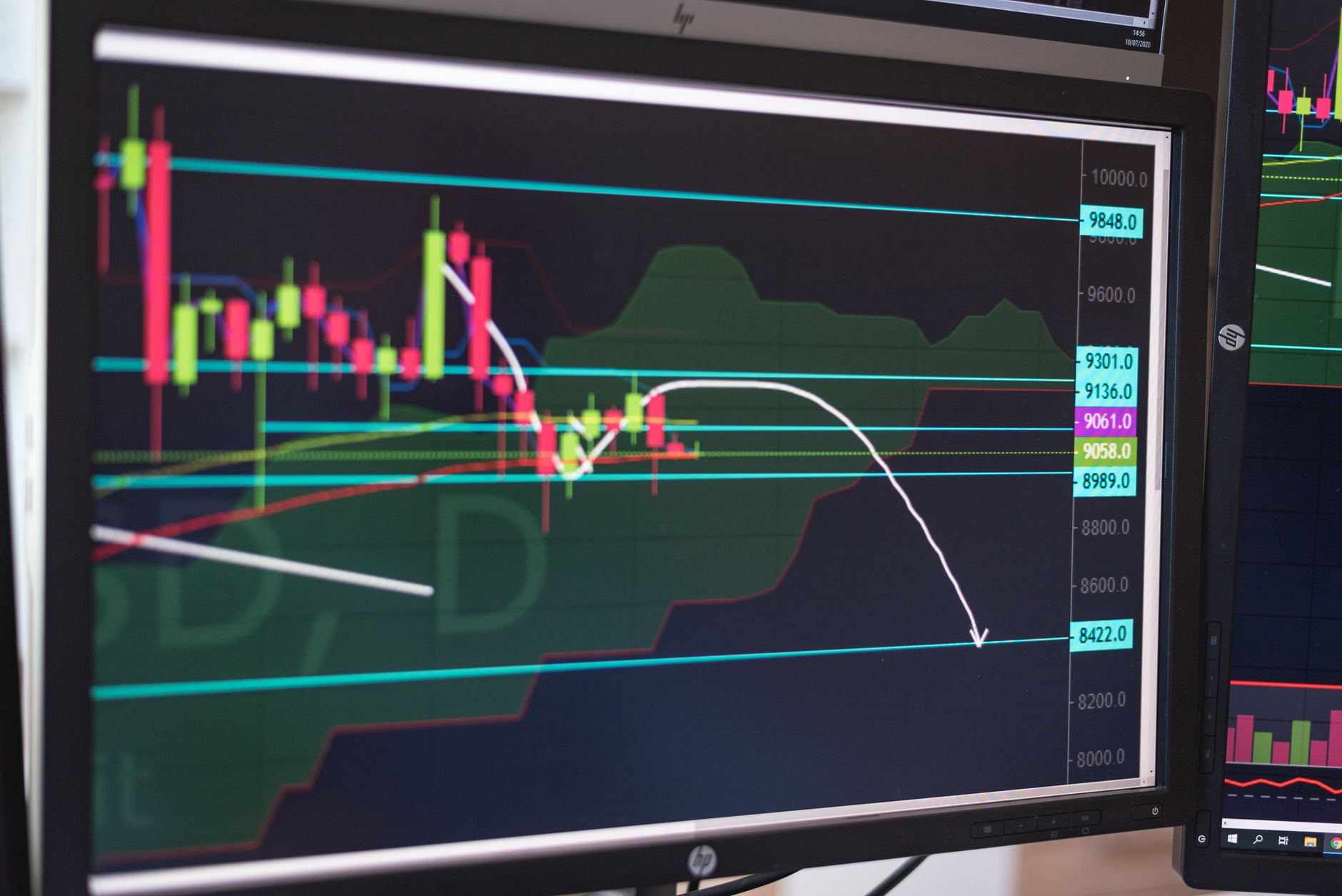
Open interest in Bitcoin perpetual futures remains elevated, and funding rates have stayed positive - meaning longs are paying shorts to hold their positions. That’s a crowded directional bet. If spot price breaks below $98,000 with any conviction, leveraged long liquidations could accelerate the move, not cause it, but deepen it.
The Macro Overlay
The Federal Reserve has cut rates once in 2026, in March, and market pricing for a second cut has been pushed out repeatedly. Real yields remain above 1.5% on the 10-year TIPS, which historically compresses demand for non-yielding assets like Bitcoin relative to periods when real rates are negative or near zero. Gold has held better - trading near $3,400 per ounce - partly because central bank buying continues independent of rate expectations.
Bitcoin isn’t breaking down. But the confluence of LTH distribution, softening ETF inflows, elevated leverage, and a real-yield environment that doesn’t urgently favor hard assets makes the path to new all-time highs above $109,000 less clear than the price action alone implies.
The range will resolve. The data currently argues for patience rather than conviction in either direction.