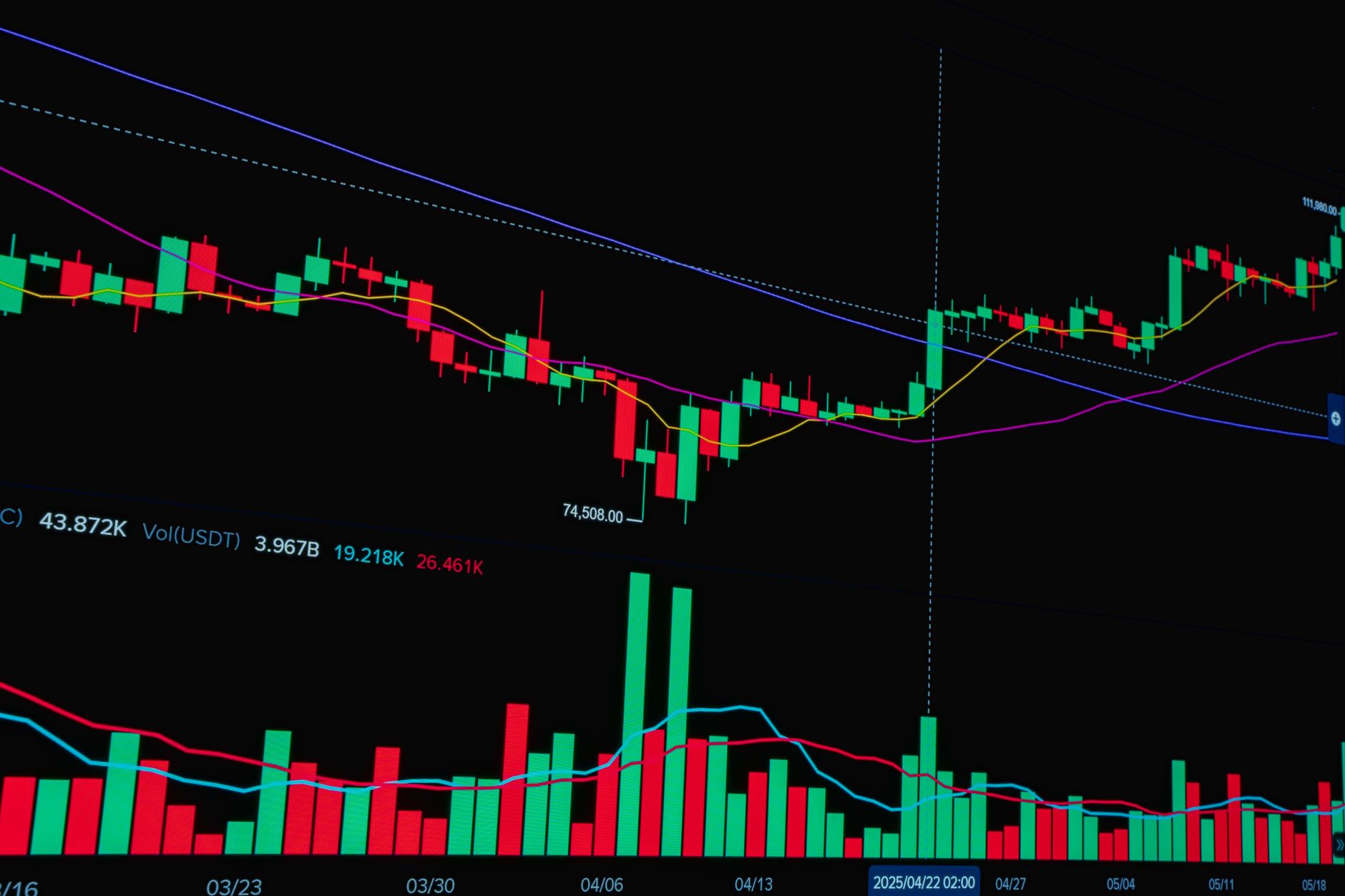
Bitcoin has been pressing against the $98,000–$100,000 range for most of August without a clean breakout, and the on-chain data is starting to explain why. Long-term holders - wallets that have held BTC for at least 155 days, by Glassnode’s definition - have been reducing exposure in a measurable way, a behavior that typically signals distribution rather than conviction buying at current levels.
The Sell-Side Is Coming From Inside the House
This isn’t panic selling. Long-term holder (LTH) spending typically increases as price approaches or exceeds prior cycle highs, and that’s exactly what appears to be happening now. The LTH net position change metric has flipped negative over the past several weeks, meaning the cohort as a whole is offloading more than it’s accumulating. Historically, this transition has marked the early-to-middle stages of a distribution phase rather than a cycle top - the top tends to come later, when short-term holders take over price discovery and sentiment peaks.
What makes the current setup unusual is the macro backdrop. U.S. Treasury yields have remained elevated through mid-2026, and the Federal Reserve has not resumed rate cuts. Risk assets broadly have been grinding sideways rather than surging, which constrains the fresh demand needed to absorb LTH supply without price stalling.
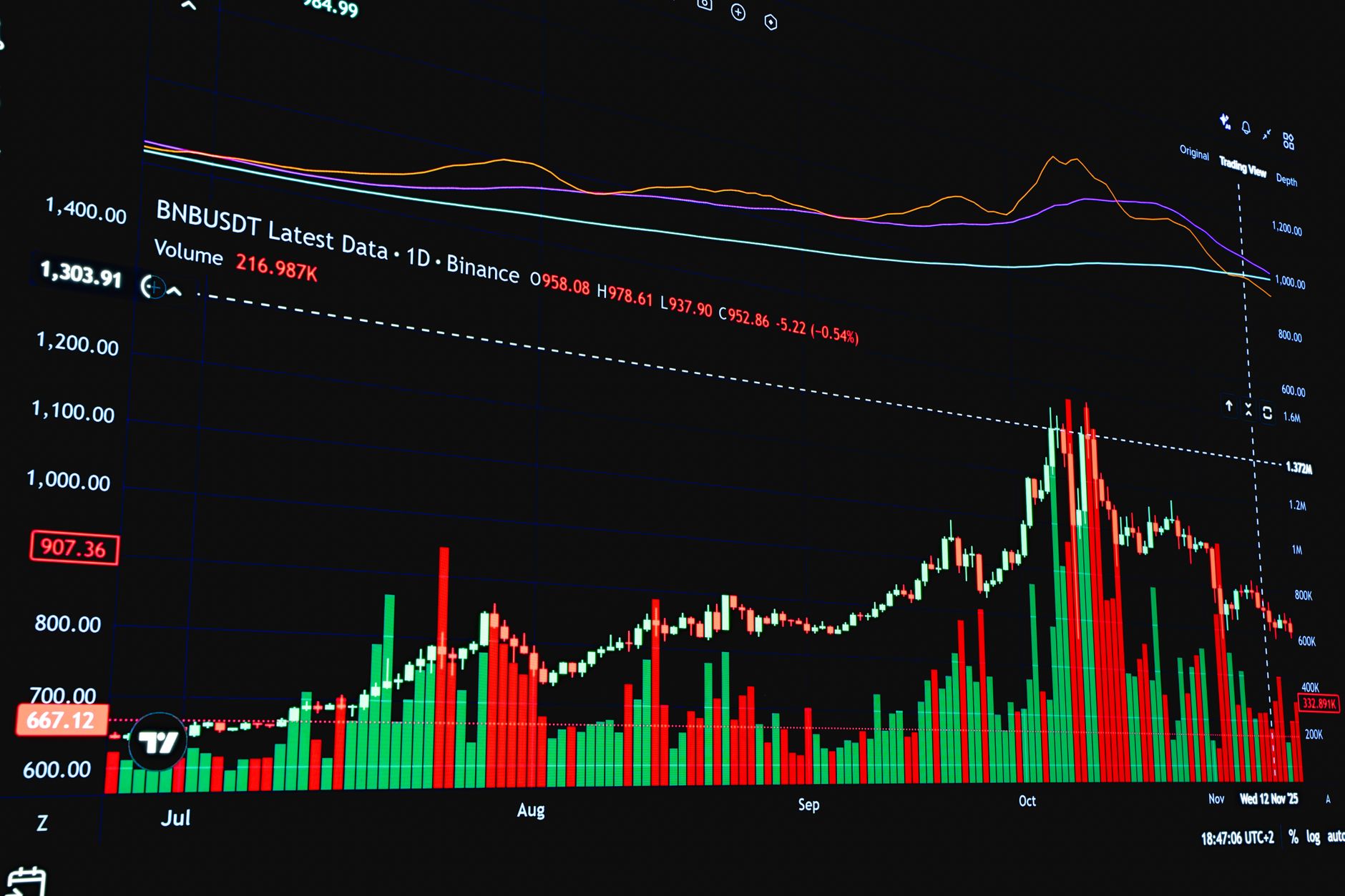
Spot ETF Flows Have Cooled
U.S. spot Bitcoin ETF inflows, which were a consistent demand driver through late 2025, have moderated significantly in August. Several consecutive days of flat or slightly negative flows suggest institutional buyers are not aggressively adding at current prices. That removes one of the cleaner demand levers that helped push Bitcoin above $85,000 earlier this year.
What the Range Itself Signals
Six weeks inside a roughly $10,000 range isn’t inherently bearish - consolidation after a major move is normal market structure. But the combination of LTH distribution and softening ETF demand means the range is being sustained largely by a standoff: sellers are patient, and buyers aren’t in a hurry.
A decisive close above $101,000 on strong volume would challenge the distribution thesis. Without it, the more likely resolution is a retest of lower support levels - probably the $88,000–$92,000 zone that served as a base earlier this year. Whether that zone holds under real selling pressure is a different question.