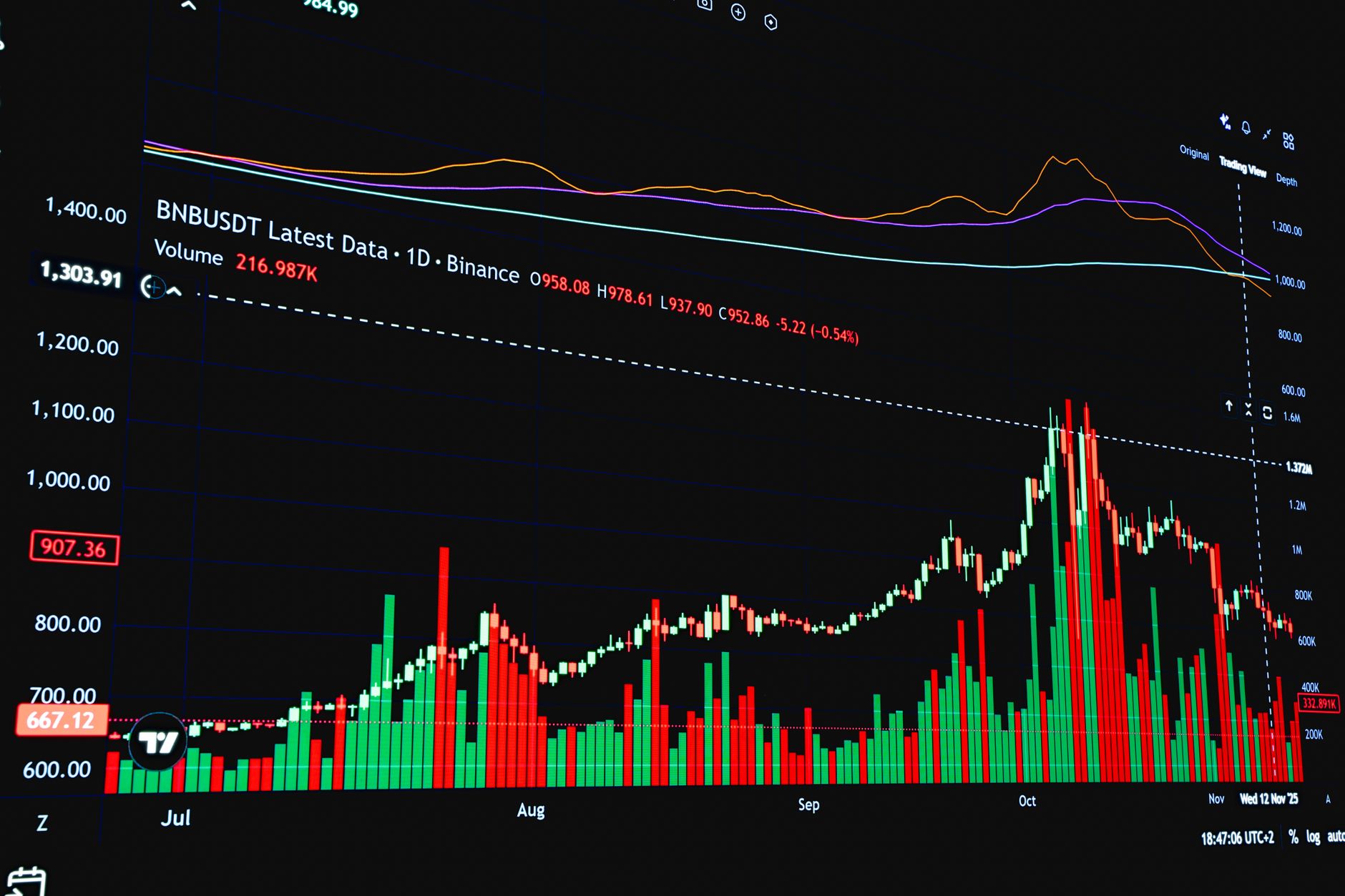
Bitcoin dominance has climbed back above 58% as of early August 2026, a level it hasn’t held with conviction since the cycle peak of early 2021. That number alone doesn’t tell you much, but paired with current price action - BTC consolidating near all-time highs while most mid-cap altcoins sit 40–60% below their own peaks - it suggests something more structural than a routine rotation.
Dominance expansions of this kind typically follow one of two dynamics: either capital is fleeing risk assets and gravitating toward Bitcoin as the relative safe haven within crypto, or institutional inflows are disproportionately weighted toward BTC with little spillover into the broader market. Right now, the evidence leans toward the second. Spot Bitcoin ETF products continue to log net positive flows on most trading days, while comparable Ethereum ETF inflows remain modest by comparison. Retail-driven altcoin speculation - the engine that historically dragged dominance down - hasn’t returned at the scale needed to flip the trend.
On-Chain Context
Glassnode data has shown long-term holder supply near multi-year highs for several months running, which means the coins that moved during the 2024–2025 run have largely settled into cold storage. That supply compression is one structural reason BTC price has stayed elevated without the violent drawdowns that typically precede altseason - there’s simply less liquid supply to sell.

Meanwhile, altcoin exchange inflows have stayed relatively muted. When exchange inflows rise without a corresponding price increase, it usually signals distribution. The absence of those inflows in most mid-caps right now isn’t bullish by itself - it more accurately reflects a lack of interest than accumulation.
What This Means for the Cycle Narrative
The 2020–2021 playbook - BTC leads, Ethereum follows, then capital cascades down the market cap ladder - hasn’t played out cleanly this cycle. Ethereum has underperformed Bitcoin for most of 2025 and into 2026. Layer-2 tokens and DeFi governance tokens have fared even worse against BTC on a relative basis.
The honest read is that institutional adoption has validated Bitcoin as an asset class in a way it simply hasn’t for the rest of the market. That doesn’t make altcoins worthless. It does mean the assumption that BTC strength automatically translates into broader market gains is no longer reliable as a timing mechanism.
Dominance above 58% with ETF flows still net positive is a market telling you exactly where the conviction is concentrated.