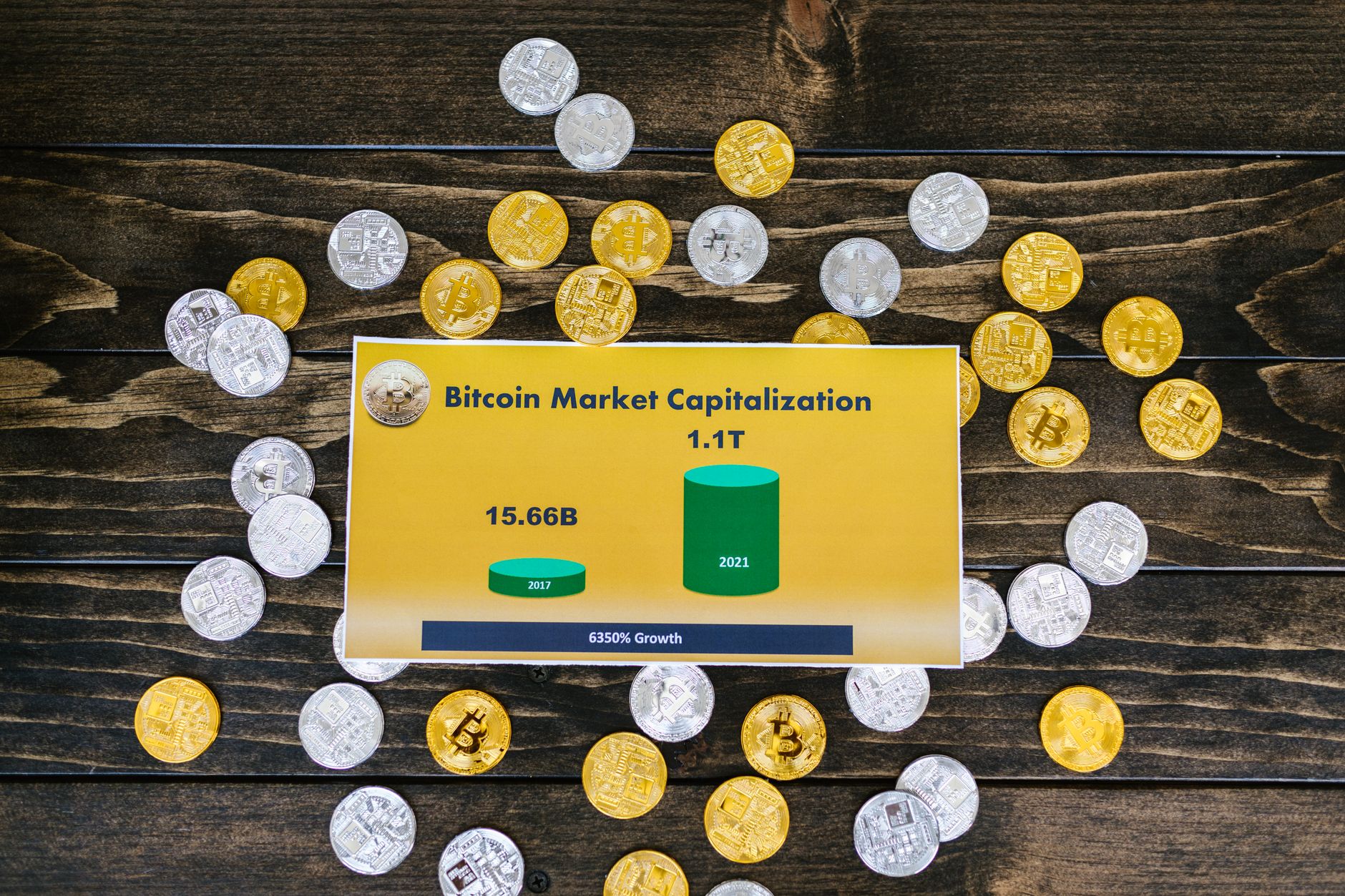
Bitcoin’s share of total crypto market capitalization has been sitting above 60% for several weeks - a level that, historically, tends to either mark the peak of a BTC-led cycle or compress altcoin valuations into an extended underperformance phase. Right now, it looks more like the latter.
The pattern since late 2024 has been consistent: capital enters the market through Bitcoin, institutional flows anchor there via ETF products, and the anticipated ‘rotation’ into altcoins either arrives months late or not at all. Ethereum has been the most visible casualty of this dynamic, with ETH/BTC still trading well below 2021 and 2023 cycle highs despite the Pectra upgrade and ongoing fee revenue from L2 activity.
The ETF Effect Is Structural, Not Temporary
Spot Bitcoin ETFs in the U.S. now hold over 1.1 million BTC in aggregate custody, according to publicly reported figures from issuers including BlackRock and Fidelity. That capital is parked. It does not rotate into SOL or ARB when sentiment shifts - it either holds or redeems. This creates a persistent gravitational pull on dominance that didn’t exist in previous cycles, when retail flows were more fungible across the market.
Ethereum ETFs exist, but inflows have remained modest compared to Bitcoin products. The asymmetry in institutional access between BTC and everything else has widened, not narrowed.

On-Chain Signals Aren’t Helping the Altcoin Case
Active addresses and transaction counts across most major alt-L1s remain below their 2021 and early 2024 peaks. Solana is a partial exception - DEX volume on the network has remained elevated relative to prior cycles - but token price action for SOL has still underperformed Bitcoin on a year-to-date basis in 2026.
Stablecoin supply is an indicator worth watching. When USDC and USDT supply grows rapidly and sits idle on-chain rather than flowing into DeFi protocols or spot markets, it typically precedes a risk-on move. Stablecoin supply has grown in 2026, but circulation velocity - how actively those stablecoins are moving - remains subdued. Dry powder without a catalyst is just waiting.
What Changes the Equation
A sustained drop in BTC dominance almost always requires either a macro risk-on catalyst that lifts all assets, or a Bitcoin-specific headwind that pushes capital toward alternatives. Neither appears imminent. Rate cut expectations have been pushed back repeatedly, and Bitcoin’s narrative as a macro hedge has only strengthened amid continued dollar weakness and central bank reserve diversification discussions.
Altcoins aren’t dead - but the window for a 2021-style rotation shrinks every month that dominance holds this level.