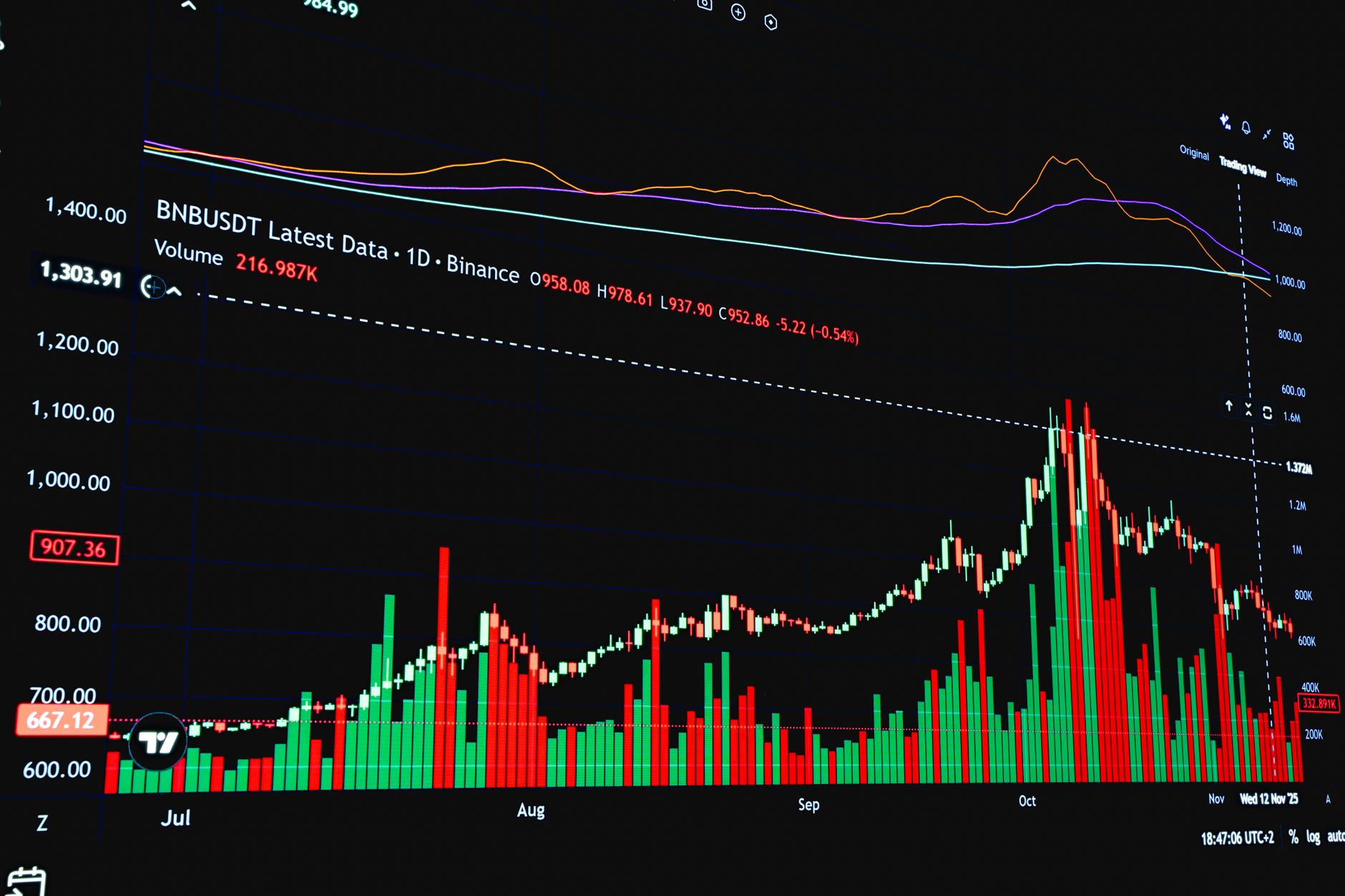
Bitcoin dominance crossed 60.4% this week for the first time since late 2024, and the framing around it matters. The instinct in crypto media is to call this a prelude - dominance peaks, then money flows down the cap stack into ETH, then into mid-caps, then into speculative trash. That narrative has worked before. It is not obviously working now.
The difference is where the capital is coming from. In previous cycles, rising BTC dominance was accompanied by fresh dollar inflows - new participants buying the most recognizable asset first. On-chain data this cycle tells a different story. Stablecoin supply across major chains has remained roughly flat over the past six weeks, suggesting the dominance move is driven more by altcoin depreciation than by new money choosing Bitcoin over other assets. It’s contraction, not rotation.
What the Funding Rates Say
Perpetual futures funding rates on major altcoins - SOL, AVAX, LINK, among others - have turned negative on several exchanges over the past two weeks. Negative funding means short positions are paying longs to hold, which typically signals either short-side crowding or genuine spot selling pressure with no leveraged bull willing to absorb it. Neither reading is constructive for a rotation thesis.
Bitcoin’s own funding has stayed mildly positive, which at least suggests the spot bid is real rather than synthetic. That distinction matters when reading dominance figures - it rules out the scenario where BTC is simply being shorted less aggressively.
Macro Still Has a Veto
The 10-year U.S. Treasury yield has been grinding higher since early September, sitting around 4.7% as of this writing. Risk assets broadly have underperformed during this move, and crypto is not insulated from that dynamic regardless of spot ETF inflows or institutional interest narratives. High real rates compress the discount rate applied to speculative assets. Altcoins, with no cash flows and often no revenue, feel that compression more acutely than Bitcoin, which increasingly trades with a commodity-like narrative that tolerates higher rates better.
The Short Section
Dominance at 60% doesn’t mean altseason is three weeks away. It might mean altseason is simply not coming in this macro environment.
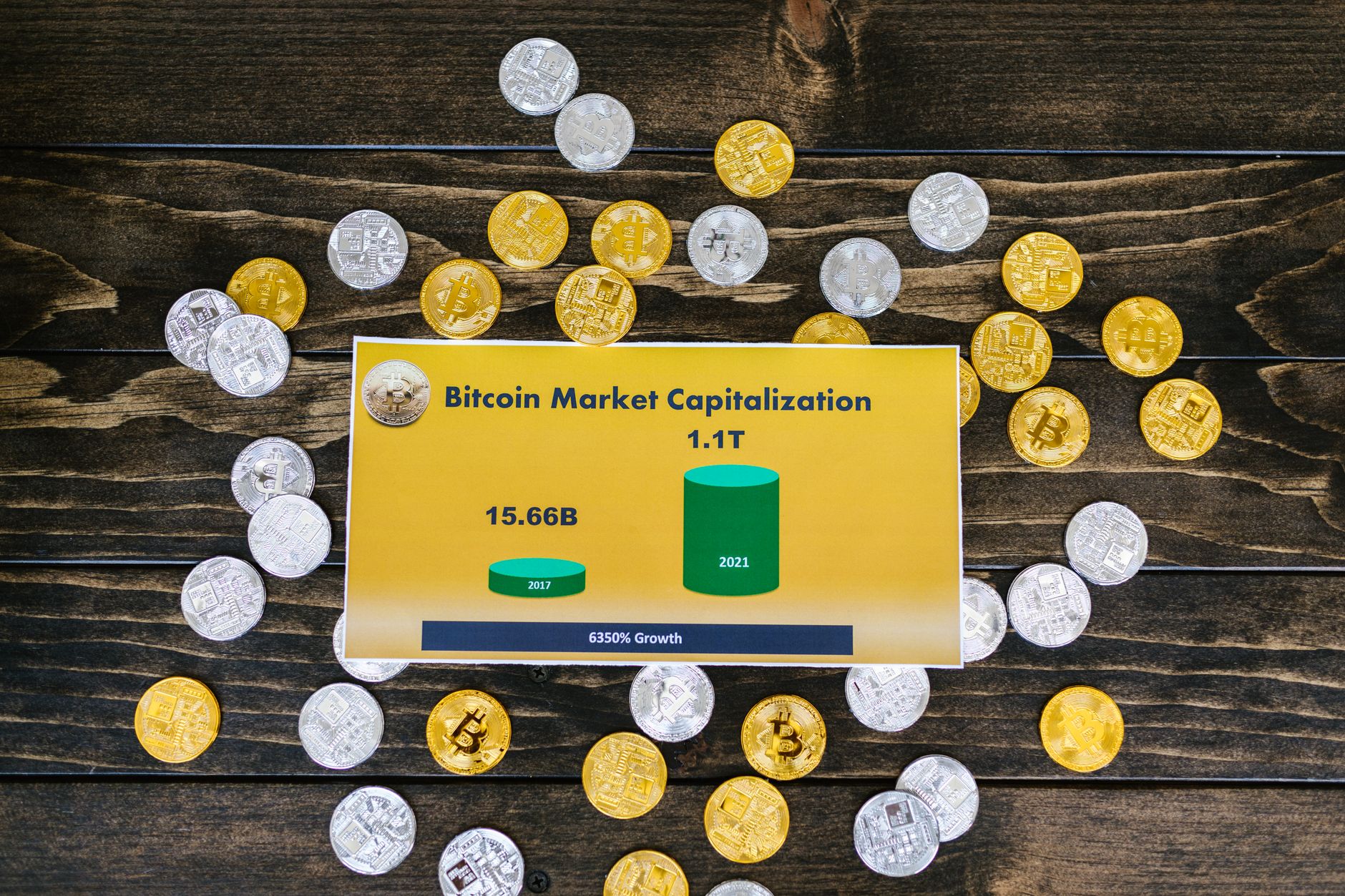
The historical playbook assumes loose monetary conditions as a backdrop. With the Fed holding rates elevated and global liquidity still tightening at the margin, what happens to altcoin markets if that condition doesn’t change before the next significant BTC move - up or down - is a question the rotation narrative conveniently doesn’t answer.