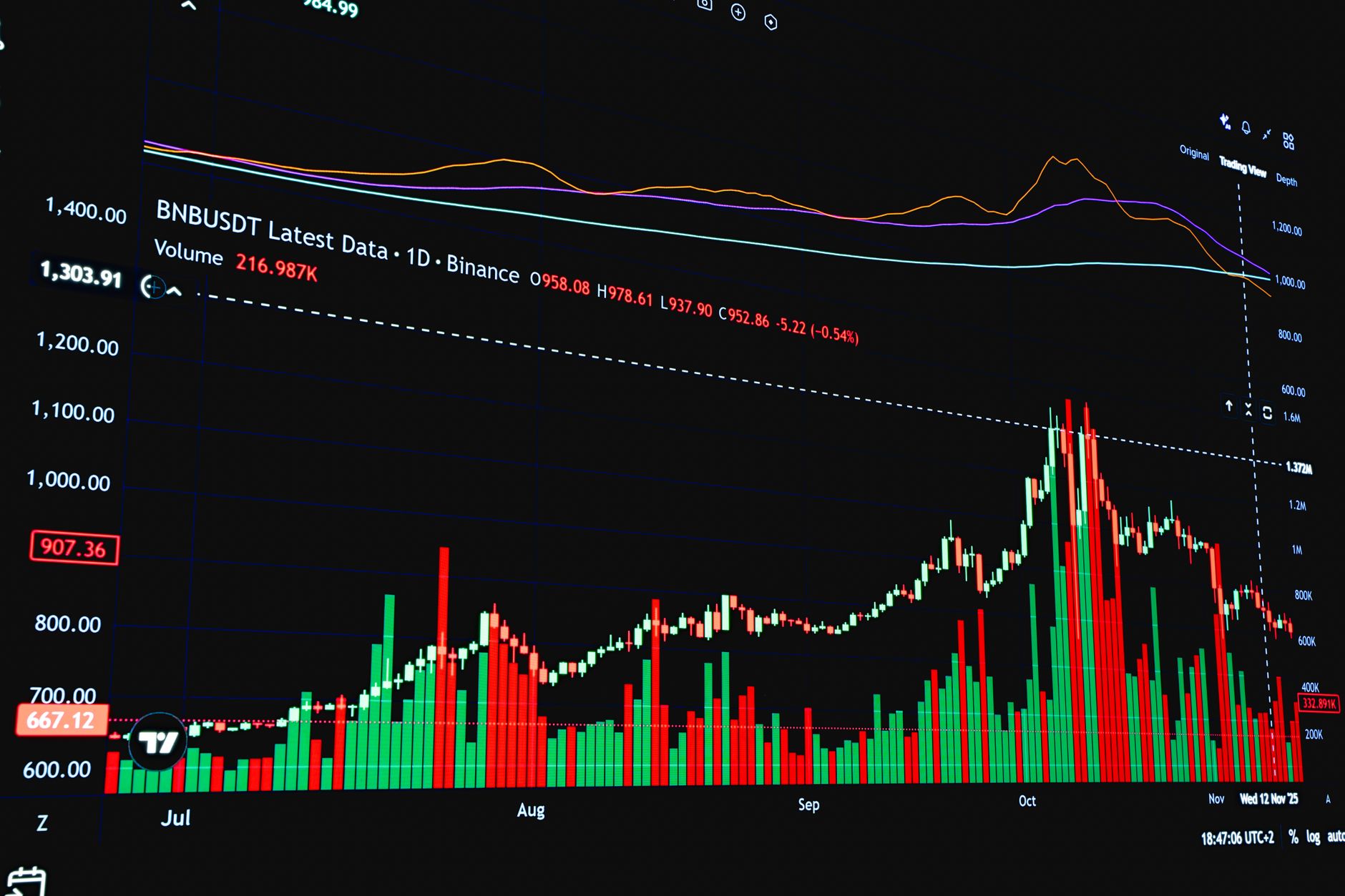
Bitcoin’s share of total crypto market capitalization crossed 58% this week, a level not seen since August 2024. That number doesn’t move in isolation - it reflects capital consolidation, and right now capital is consolidating hard into BTC while most altcoins are quietly giving back months of gains.
The Altcoin Bleed Is Structural, Not Seasonal
This isn’t the usual late-cycle rotation where ETH and large-caps lag Bitcoin by a few weeks before catching up. Layer-1 tokens outside the top five are down 20–35% from their Q2 2026 highs, and many mid-cap DeFi tokens are back at levels from early 2025. Aggregate altcoin volume on centralized exchanges has contracted meaningfully since July, while Bitcoin spot volume has held relatively steady. When volume leaves altcoins and doesn’t return, that’s not rotation - that’s exit.
On-chain, the picture reinforces this. Bitcoin’s realized cap has been climbing steadily since June, indicating genuine capital inflows rather than price-driven market cap inflation. Meanwhile, the realized caps of most altcoin ecosystems have been flat to declining. New money isn’t arriving to replace the sellers.
What’s Driving the BTC Bid
Two things are worth separating here. First, institutional flows through U.S. spot ETFs have remained net positive through most of September, providing a consistent demand floor that simply doesn’t exist for altcoins at the same scale. Second, macro conditions favor a risk-tiered approach - when broader equity markets look uncertain, institutional allocators who have crypto exposure tend to concentrate it in BTC rather than spread it across the ecosystem.
There’s also a narrative vacuum in altcoins right now. The Ethereum ETF narrative has largely been priced in. The L2 story is mature and fragmented. Nothing has emerged to pull fresh capital into a specific sector the way DeFi Summer or NFTs once did.
The 60% Question
Historically, BTC dominance pushing toward 60% has often preceded altcoin seasons - but that pattern was more reliable in cycles before institutional ETF infrastructure existed. The mechanism that used to drive rotation (retail traders taking BTC profits and cycling into alts) is partially disrupted when a large portion of BTC buyers are ETF holders who don’t rotate into altcoins at all.
Whether dominance stalls here or continues toward 62–65% probably depends on whether anything in the altcoin ecosystem generates a convincing new demand story before year-end. Right now, that catalyst isn’t visible.